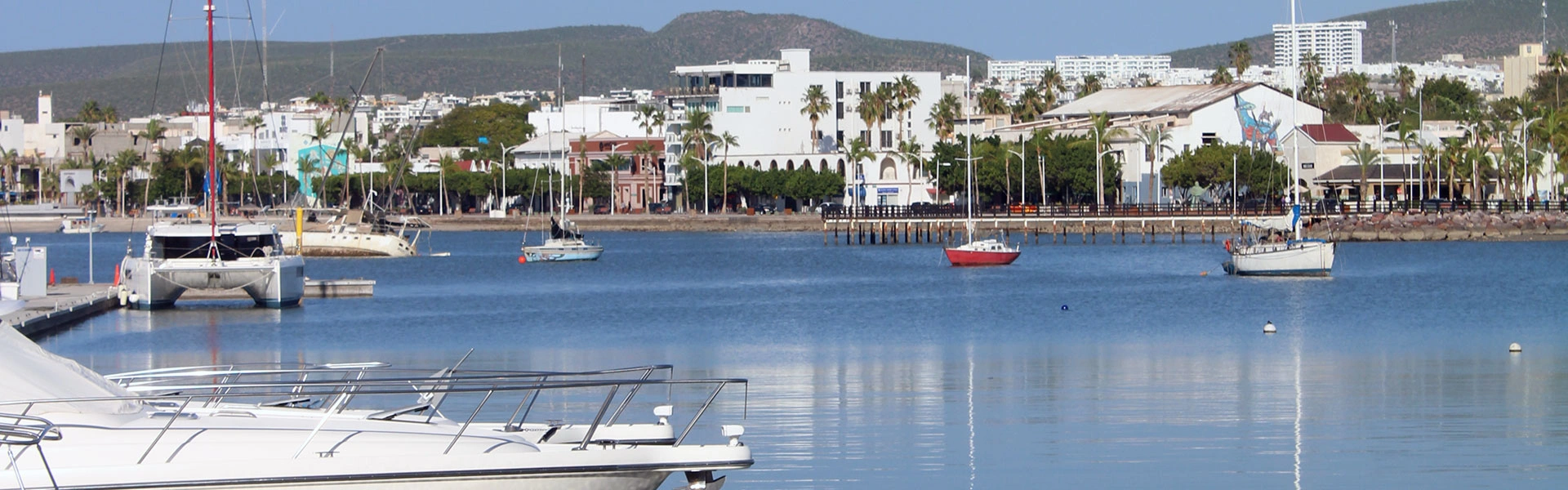
The Expat's Guide to Moving to La Paz, BCS
La Paz has quietly become one of the most livable places in Baja for North American expats and retirees — a real working city on the Sea of Cortez, calmer and cheaper than Los Cabos, with genuine community and world-class nature at the doorstep. This is the honest overview of what it takes to move here in 2026: the residency math, the true cost of living, the electricity trap nobody warns you about, and where to land first.
Residency: The 2026 Numbers
Most movers apply for Temporary Residency at a Mexican consulate in their home country before arriving. Qualification is based on economic solvency — either monthly income or savings. Fees roughly doubled in recent years, and individual consulates interpret the thresholds differently, so treat the figures below as informed estimates and confirm with your consulate.
Temporary Residency
- Monthly income
- ~$4,400–$4,500 USD/mo
- Or savings
- ~$72,000–$75,000 USD
Most working-age movers and early retirees. Renewable, up to 4 years, then converts to permanent.
Permanent Residency
- Monthly income
- ~$7,400–$7,500 USD/mo
- Or savings
- ~$300,000 USD
Retirees with substantial pension or investment income. No renewal; can work.
What It Really Costs
La Paz is affordable by US and Canadian standards, but not the rock-bottom Mexico of the internet's imagination — island logistics add 15–25% over mainland cities. Monthly estimates for a single person, in USD:
| Category | Budget | Comfortable |
|---|---|---|
| Rent (1BR) | $300–$500 | $1,000–$1,600+ |
| Groceries (1 person) | $150–$200 | $300–$400 |
| Electricity (CFE) | $50–$100 | $150–$300 |
| Healthcare | $100–$200 | $300–$500 |
| Total / month | ~$800–$1,200 | ~$2,400–$4,000+ |
Where to Land First
Rent for a few months before buying anything — La Paz neighborhoods vary widely in feel, walkability, and heat exposure. The most common landing spots for newcomers:
Centro & Malecón
Walkable, close to restaurants, markets, and the waterfront. The easiest soft landing for a car-free first few months.
Fidepaz
Quieter residential area to the south, near a private hospital and services. Popular with retirees.
Marina / North
Around the marinas and CostaBaja — newer condos, sailing community, resort amenities. Higher rents.
Outlying colonias
More space for the money inland, but you will want a car and better AC. Scout in person first.
Healthcare & Banking
La Paz has competent private hospitals with English-speaking staff — AmCare (612-122-5743) and Central de Especialidades Médicas in Fidepaz (612-124-0400) — plus the IMSS public system, which residents can join voluntarily for an annual fee. Specialist consultations often run 600–800 MXN ($30–$45 USD) out of pocket. For banking, BBVA, Banorte, Santander, and Intercam all have La Paz branches; opening an account is far easier once you hold residency.
La Paz healthcare directory — hospitals, doctors & insurance →Frequently Asked Questions
What are the income requirements for Mexican residency in 2026?
Temporary Residency requires roughly $4,400–$4,500 USD/month in consistent income, or about $72,000–$75,000 USD in savings over the prior 12 months. Permanent Residency requires roughly $7,400–$7,500 USD/month or about $300,000 in savings. These are informed estimates based on the 2026 UMA (UMA 2026 = $117.31 MXN/day) — exact figures vary by consulate, so confirm with the specific consulate where you apply.
How much does it cost to live in La Paz per month?
Roughly $800–$1,200 USD/month for a frugal solo expat, $1,300–$2,000 for a comfortable mid-range lifestyle, and $2,400–$4,000+ for an oceanview condo with frequent dining out. Rent and electricity are the biggest variables. Note that La Paz runs 15–25% more expensive than mainland Mexican cities like Mérida — nearly everything arrives by truck or ferry.
What is the CFE DAC electricity trap?
La Paz is on CFE Tarifa 1C with a subsidized threshold around 850 kWh/month. If your 12-month rolling average exceeds it, CFE reclassifies you to DAC (high-consumption), subsidies vanish, and your per-kWh cost can triple — and you stay in DAC for a full rolling year even after cutting back. Heavy air-conditioning is the usual cause. It is the single biggest budget surprise for new arrivals.
Do I need a car to live in La Paz?
In the city center and Malecón you can manage without one — Uber operates in La Paz. But for Balandra, day trips, and reaching some neighborhoods, a car helps a lot. As a temporary or permanent resident you can import or buy a vehicle; Baja California Sur is a free trade zone, so a Temporary Import Permit (TIP) is not required to keep a foreign-plated car here.