About La Paz
La Paz is the capital and largest city of Baja California Sur — a Gulf-coast city whose municipality is home to about 321,000 people (CONAPO 2026 projection), and that successfully combines the amenities of a real Mexican capital with immediate access to some of the most extraordinary marine environments on the planet. It's not a resort. It's a place people actually live, and that's precisely what makes it worth visiting.
The City & Its Setting
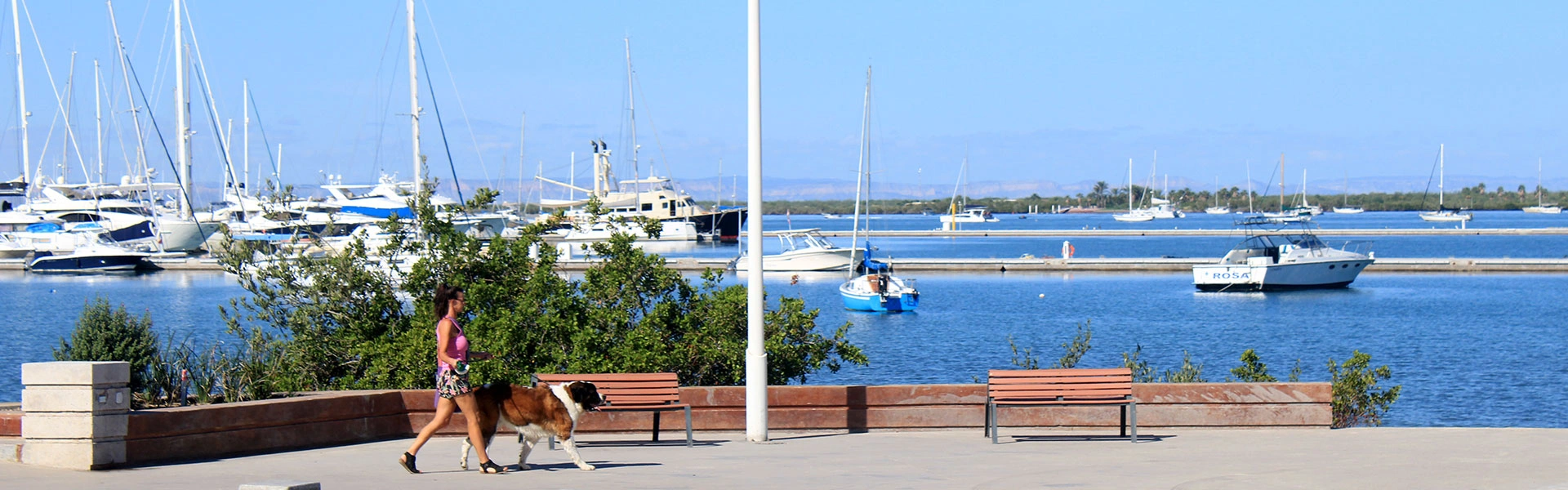
La Paz sits on a sheltered bay on the eastern side of the Baja California Sur peninsula, facing the Sea of Cortez — the body of water Jacques Cousteau famously called “the world's aquarium.” The city's protected bay provides calm waterfront views, and its desert surroundings give way almost immediately to world-class marine environments offshore.
The downtown stretches along the Malecón — a 5 km waterfront promenade lined with restaurants, sculptures, and one of the most reliably spectacular sunset views in Mexico. Neighborhoods climb into the surrounding hills overlooking the bay. The pace is relaxed; the infrastructure is solid.
La Paz is home to three leading marine biology research institutes in Latin America — UABCS, CIBNOR, and CICIMAR — largely because the Sea of Cortez hosts exceptional biodiversity. The Gulf has approximately 900 islands and islets, with 244 now under UNESCO World Heritage protection.
Natural destinations within 90 minutes
Why People Love La Paz
Marine Wildlife
- Swimming with whale sharks (October–May) — one of the best access points globally
- Sea lion encounters at Los Islotes (September–May)
- Gray whale watching in Magdalena Bay (January–March)
- World-class scuba diving and snorkeling throughout the Sea of Cortez
- Kayaking, paddleboarding, sport fishing (dorado, marlin, tuna)
Beaches
- Balandra — named Mexico's best beach, CONANP-protected with 450-person capacity limit
- Playa Tecolote — longer beach with services and a view of Espíritu Santo
- El Mogote — sandbar peninsula across the bay, accessible by kayak or small boat
- Seven beaches within 30 minutes north via Highway 11
Authentic Character
- Working capital city — real neighborhoods, not tourism infrastructure
- Local food scene: fresh seafood, fish tacos, regional BCS cuisine
- Spanish-speaking environment; less English than Los Cabos
- Cultural events, festivals, and traditions not manufactured for tourists
- Home to three leading marine biology research institutes (UABCS, CIBNOR, CICIMAR)
Livability
- Complete urban amenities: hospitals, shopping, international airport (LAP)
- Walkable downtown with 5 km Malecón waterfront promenade
- Cost of living 30–50% lower than Los Cabos
- 194% increase in international arrivals January 2025 vs. January 2024
- Growing expat, retiree, and digital nomad community
La Paz vs. Los Cabos
The comparison is inevitable. Los Cabos — the municipality covering Cabo San Lucas and San José del Cabo, 159–189 km south by road — is built around high-end resort tourism: golf courses, nightclubs, cruise ships, and international-grade hotels. It's excellent at what it does.
La Paz offers something different. Lower costs (roughly 30–50% cheaper across the board), a stronger local identity, real neighborhoods, and access to essentially the same extraordinary natural environment — whale sharks, Espíritu Santo, world-class diving — without the resort overlay.
| La Paz | Los Cabos | |
|---|---|---|
| Character | Working capital city | International resort destination |
| Cost | Moderate — significantly cheaper | Premium — resort pricing |
| Beaches | Balandra, Tecolote (calm, Gulf) | Pacific surf beaches, resort pools |
| Marine wildlife | Whale sharks, sea lions, diving | Fishing, some diving |
| Golf | Paraíso del Mar (links), El Cortez | Many world-class resort courses |
| English | Less common, more Spanish | Widely spoken in tourism sector |
| Nightlife | Local bars, relaxed pace | Major clubs, spring break scene |
Neighborhoods
La Paz has distinct neighborhoods suited to different priorities — walkability, views, beach access, or quieter suburban living.
La Paz Centro
Walkable downtown waterfront
The cultural and commercial heart of the city. The Malecón, Cathedral, restaurants, markets, and nightlife are all here.
Lomas Palmira / Colinas del Sol
Hillside residential, bay views
Residential hillside areas north of downtown with panoramic bay views and convenient access to Centro.
Pedregal de La Paz
Upscale gated hillside community
One of the city's most exclusive areas — luxury homes with panoramic views, security, and premium amenities.
Northern waterfront, marina community
Planned waterfront development with marina, trails, and resort-style amenities. Includes the El Cortez Golf Club.
El Centenario
Family-friendly suburb west of downtown
More spacious lots, quieter pace, practical residential feel. Good infrastructure, lower prices than downtown.
Fidepaz
Practical middle-class residential
Near shopping centers and city conveniences. Solid middle-class neighborhood, good for everyday living.
Peninsula golf resort community
Isolated peninsula accessed by ferry from Marina Cortez. Home to Mexico's first links-style golf course.
History in Brief
Hernán Cortés landed in La Paz Bay in 1535 — one of the earliest European settlements in western North America. The city became known as “La Perla del Pacífico” (Pearl of the Pacific) during the 17th–19th centuries when its bay was the most productive pearl-harvesting site in the Spanish Empire.
Silver and gold mining in nearby El Triunfo and San Antonio made BCS economically significant in the 19th century. In 1974, Baja California Sur became Mexico's 31st state, and La Paz was designated its capital.
Full history of La Paz →